

By Michael Shoer
The Bourbon Paradox
For years, the story of American bourbon was one of relentless growth — warehouses full, distilleries expanding, and investors chasing barrels like gold
.
But in 2025, the tone has changed.
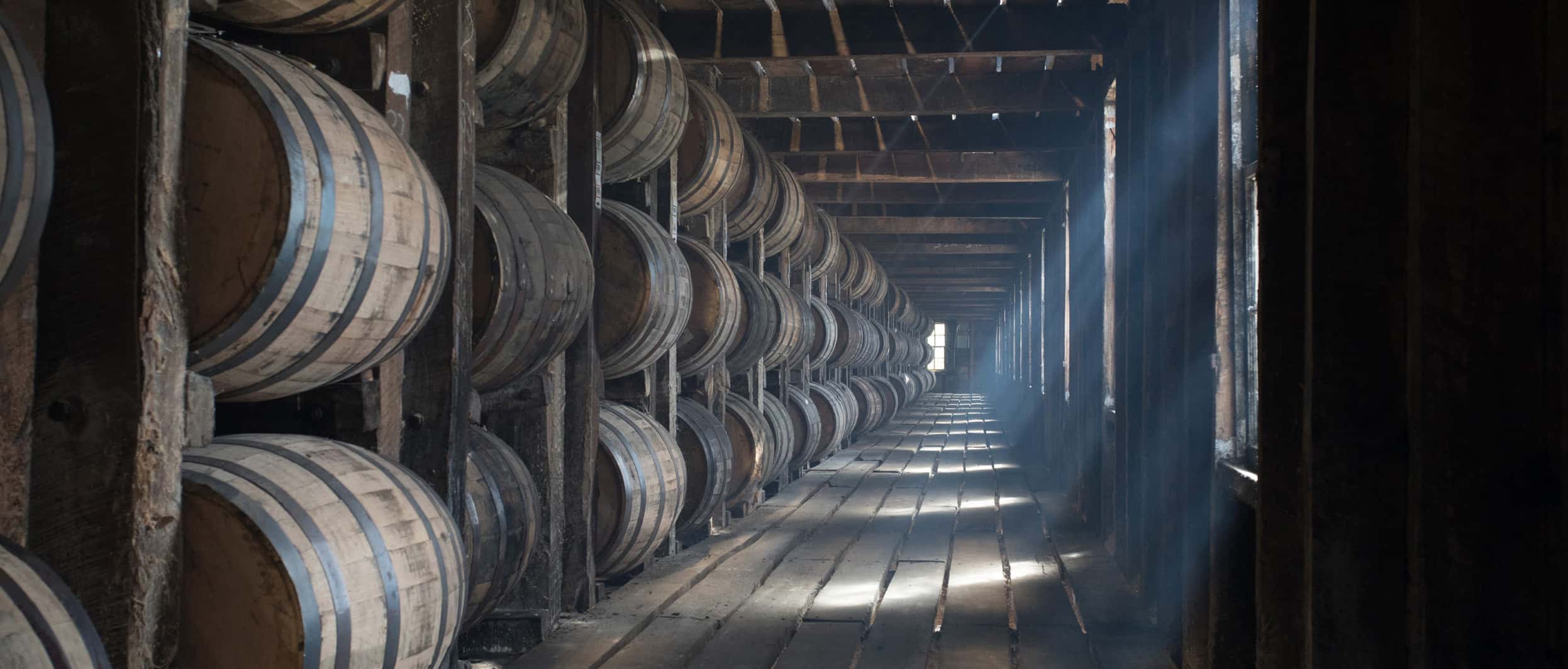
Across Kentucky, Tennessee, and Indiana, inventories of high-quality aged bourbon and rye are quietly being offered for sale at prices far below perceived market value. These barrels are not flawed. They are, by all accounts, excellent whiskey — the kind that used to trade at premiums.
So why the sudden markdowns?
The answer has less to do with what’s in the barrel, and everything to do with what’s on the balance sheet.
A Surplus Years in the Making
The Expansion Boom
In the post-pandemic decade, producers bet big. Demand for premium whiskey was soaring, export tariffs were easing, and the bourbon “gold rush” seemed endless.
Contract distillers and private-label producers filled warehouses to capacity, planning for future bottlings and brand launches.
But when growth normalized — and consumer spending tightened — that overproduction turned into oversupply. The Kentucky Distillers’ Association now reports record-high inventories. Even established distilleries are rethinking how much aged stock they truly need on hand.
Softening Demand
Younger consumers are drinking differently — favoring ready-to-drink cocktails, tequila, and non-alcoholic alternatives.
Meanwhile, inflation, high interest rates, and rising storage costs are squeezing margins. What was once a sure-thing investment — barrels appreciating 15–20% per year — is now a slower, more complicated play.
As a result, the secondary and bulk barrel markets have shifted from tight and competitive to crowded and cautious
The Reason Behind the Discounts
It’s tempting to assume that discounted barrels signal poor whiskey. In most cases, that’s wrong.
These price adjustments are financial decisions, not quality corrections.
1. Cleaning Up Balance Sheets
With debt costs rising, many distilleries are selling barrels simply to generate cash. Aging whiskey ties up millions in working capital. Offloading some inventory — even below book value — improves liquidity and optics for lenders or investors.
2. Formula & Brand Shifts
New mash bills, flavor targets, and branding updates have left older barrels “off-spec.”
Rather than blending them away, producers are liquidating the mismatched stock to streamline future releases.
3. Avoiding Impairments
Holding barrels that no longer reflect market value can trigger accounting headaches. Selling now, even at a discount, can prevent costly write-downs later.
4. Strategic Positioning
Some brands are deliberately setting lower prices to move volume or reposition their cost base before future expansion. In a market correction, liquidity becomes more valuable than yield.

Distress, receivership, and the wild card of distressed inventory
One of the riskiest zones ahead is what happens when a distillery, or brand, enters receivership or bankruptcy and their barrel assets are adjudicated.
-
Stoli / Kentucky Owl: A restructuring plan was rejected by a court in part because the judge doubted the liquidity/marketability of 35,000 bourbon barrels in a saturated market. Wall Street Journal+1
-
Uncle Nearest: The distillery was placed into receivership amid a $108 million lawsuit tied to loans collateralized (in large part) by barrel inventory. The court has already restricted transfers of its barrel collateral. Whisky Advocate+2Kentucky+2
-
Garrard County Distilling / LMD Holdings: Recent filings show multiple distilleries entering bankruptcy or receivership in 2025, leaving open the question of how their inventories will be handled. ElevenFlo
The Ripple Effect
When a few major owners sell aged whiskey cheaply, it doesn’t just hurt their books — it resets expectations across the board.
Buyers start benchmarking to the lowest published trades. Brokers adjust bids. Investors demand deeper discounts to offset risk.
The result: good barrels caught in a bad market.
But there’s also opportunity here.
For patient buyers with cash, this is a historic moment to acquire mature bourbon at below replacement cost. For distilleries, it’s a reminder that whiskey is both an art form and a financial instrument — one that ages beautifully, but depreciates fast when liquidity dries up.
No Evil Spirits — Just Market Discipline
The title of this piece isn’t a pun — it’s a principle.
There are no “evil spirits” haunting this market. The whiskey is fine. The people are still passionate.
What’s changing is the structure of value.
This correction is not a collapse; it’s a calibration.
The industry is discovering what aged barrels are truly worth when capital gets expensive and optimism gets sober.
Soon enough, the market will stabilize. Prices will find their level. The best distillers will thrive again.
Until then, we’re witnessing the maturation not just of bourbon — but of bourbon economics.
Final Pour
Bourbon has always been a long game — distilled in faith, aged in patience, bottled in belief.
Today’s market turbulence is simply another barrel in the rack, waiting its turn.
If there’s one lesson from this “No Evil Spirits” moment, it’s this:
Good whiskey endures. Good balance sheets survive. And great patience pays compound interest.