
Strategic Insights for 2026 Whiskey Investments
Unlocking the Future of Whiskey Supply Dynamics
Discover how strategic timing and market shifts create unique opportunities for investors in the whiskey industry. Our insights reveal the potential for significant returns as the market transitions from surplus to scarcity.
Understanding the Supply-Cycle Dynamics
The whiskey market operates in cyclical waves, driven by the long lead times between production decisions and market availability. In 2022, optimism led to a surge in production, but by 2023, the industry faced an oversupply, particularly in younger whiskey ages. This surplus has pressured prices, but it also sets the stage for future opportunities.
As the market adjusts, contract distillation behavior has shifted significantly. Distillers are now focusing on pre-sold contracts and producing primarily for their own brands, reducing speculative inventory. This change is expected to create a supply gap in the coming years, particularly affecting the availability of 2-year-old whiskey, which is crucial for blending and brand expansion.
Key Features of the 2026 New Fill Strategy
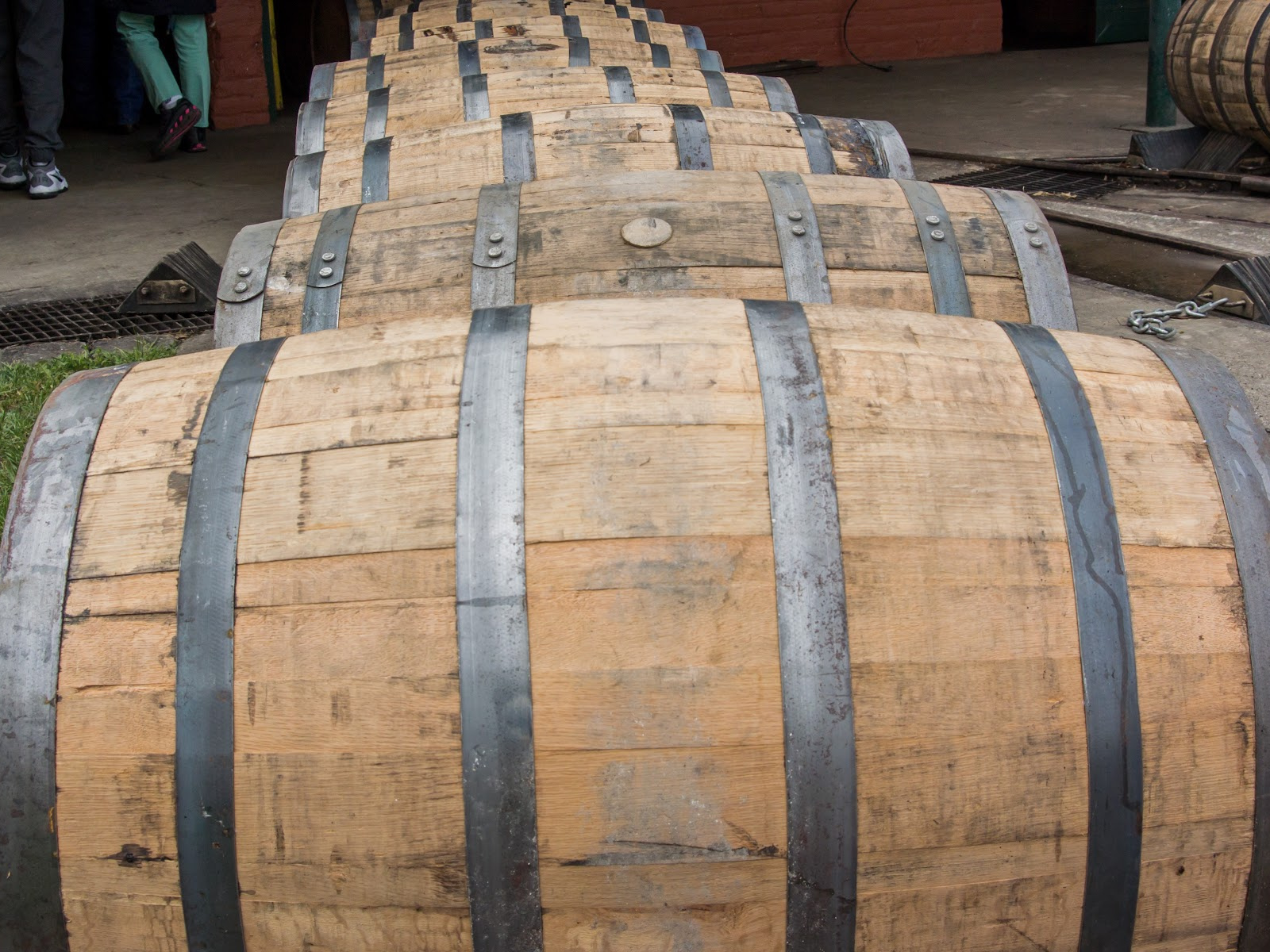
Strategic Timing Advantage
By acquiring new fill at historically low costs in 2026, investors position themselves to benefit from a market poised to transition from surplus to shortage, enhancing potential returns.
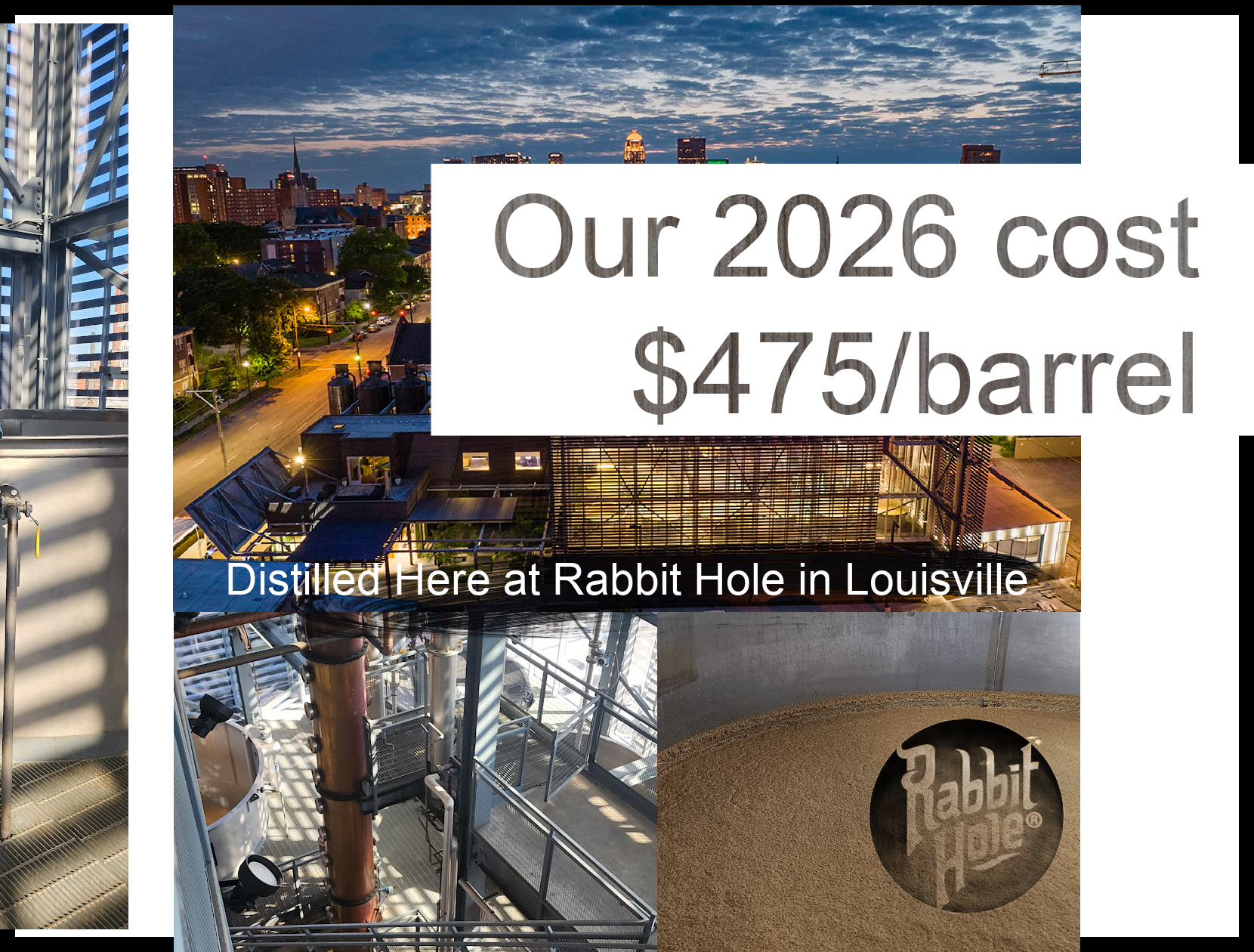
Cost Efficiency
We have a new fill cost as low as $475 per barrel, providing a buffer against near-term market fluctuations and setting the stage for profitable exits as the market tightens.
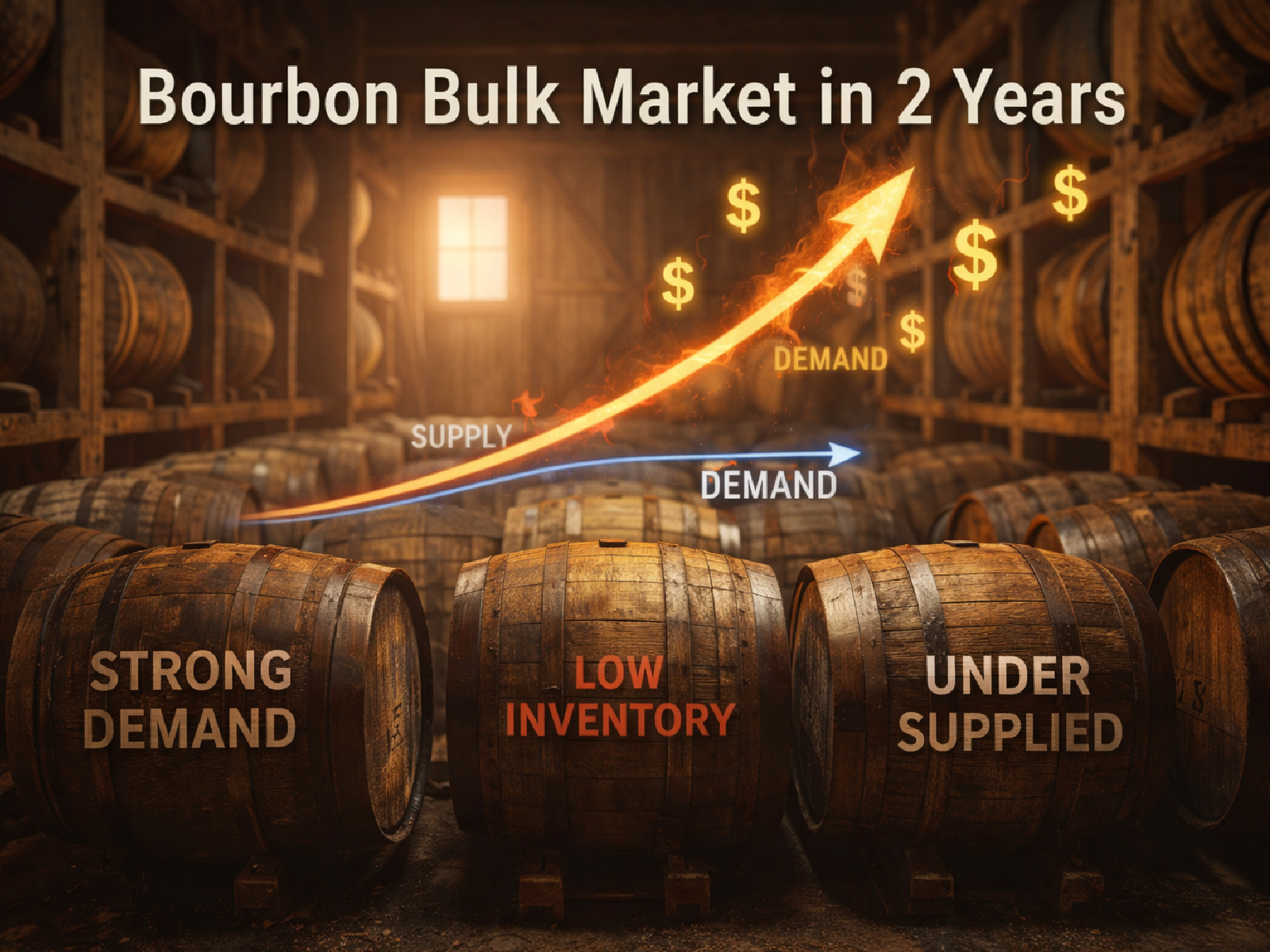
Supply Gap Exploitation
The anticipated shortage of 2-year whiskey by 2028 creates a unique opportunity to leverage pricing power as demand for blending and finishing programs increases.
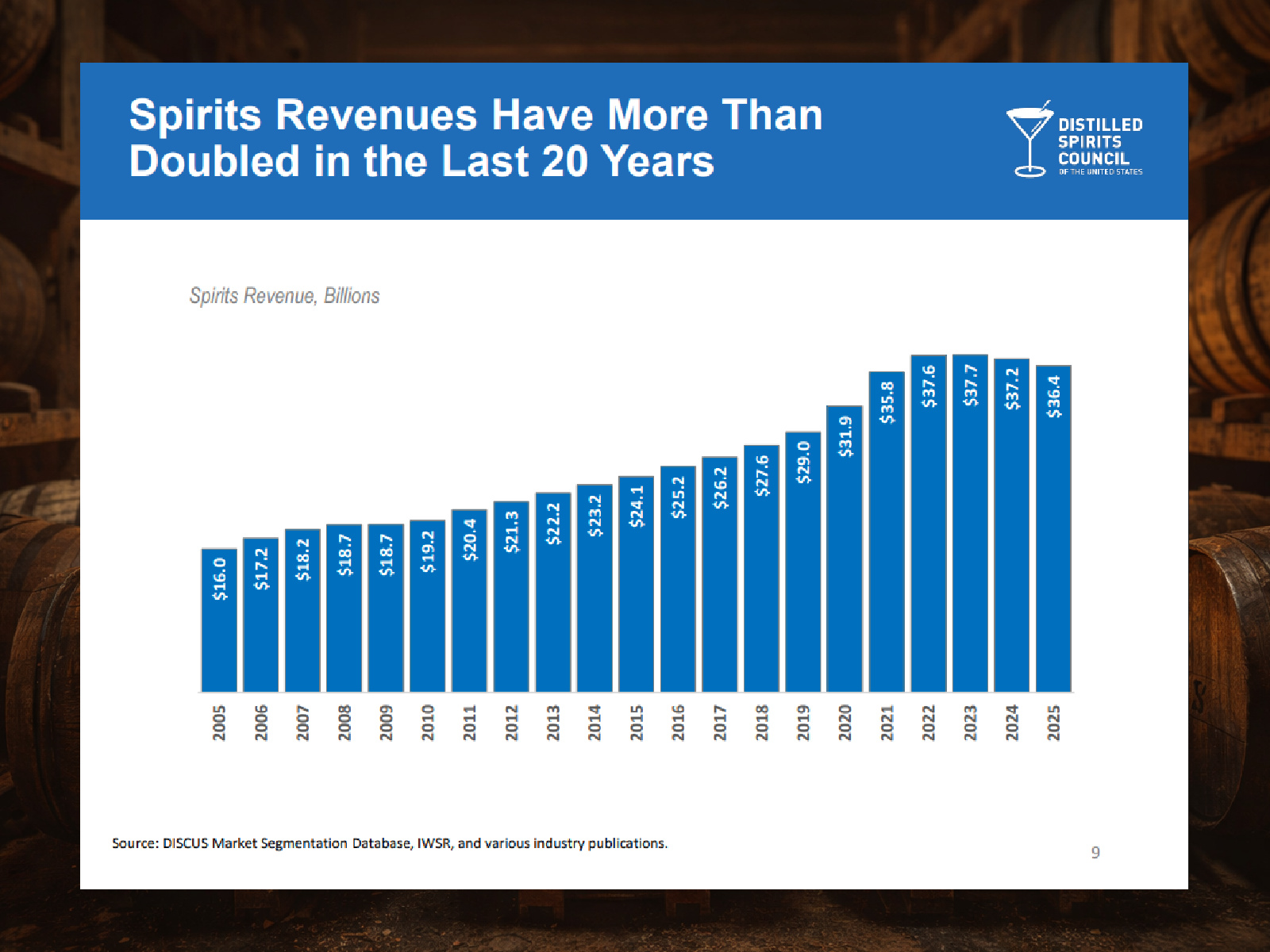
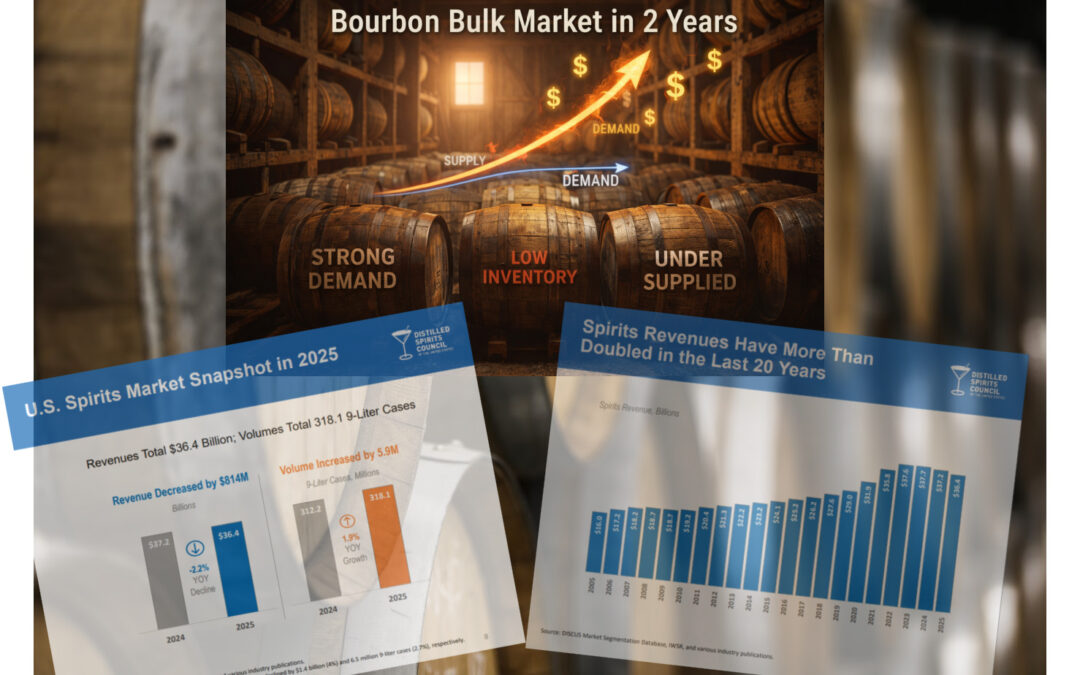
Spirits Still Soaring Despite Declines
while growth has cooled from the pandemic spike, the category is still operating at a larger revenue and volume footprint than it was in 2019, when the industry was widely viewed as thriving.
Market Dynamics and Supply-Cycle Insights
In 2026, the American whiskey market is poised for a significant shift. With production peaking in 2022, a surplus of younger whiskey has led to depressed pricing. However, as contract distillation behavior changes, a future shortage is anticipated, setting the stage for potential market gains.
The release of significant inventories of mature barrels in 2025 and 2026 to rebalance corporate balance sheets offer buying and investing opportunities for 2 year exists at signficant profits.
2022 Production Peak (KY Barrels in Millions)
%
2023-2025 value depression from 2021-2022
2025 Avg Cost New Fill in $
%
2028 Pricing Power will stabilize with increase over 2025 of
Key Events in Whiskey Production
The timeline below outlines critical milestones in the whiskey production cycle, highlighting the implications for future supply and market dynamics.
2022
Production Reaches All-Time High
In 2022, distilleries ramped up production, resulting in a peak that led to an oversupply of younger whiskey.

2023
Market Adjustments Begin
Distilleries began cutting back production in response to the oversupply, shifting the market dynamics significantly.

2024
Strategic Cutbacks Continue
Further reductions in speculative filling were observed, setting the stage for a future supply gap.

2026
Emergence of Supply Shortage
As the effects of reduced production become evident, a shortage of 2-year whiskey is anticipated, impacting market availability.

Investor Inquiries on 2026 Strategy
Explore common questions investors have about the 2026 new fill strategy and the evolving market conditions.
Why focus on 2026 new fill?
The 2026 new fill is positioned to benefit from a historically low cost basis, offering potential for strong profits as the market transitions from surplus to shortage.
What are the risks involved?
While the strategy anticipates market shifts, risks include unforeseen changes in consumer demand and regulatory impacts on production.
How does the supply gap affect pricing?
The anticipated supply gap is expected to restore pricing power, particularly for mature (+6 year) beginning with 2-year whiskey by 2028, as demand outpaces supply.
What is the significance of contract distillation changes?
Changes in contract distillation practices, such as reduced speculative filling, are crucial as they contribute to the impending supply gap.
How should investors approach the market?
Investors should focus on acquiring mature whiskey at distressed prices as well as new fill at “cost-based pricing.” Our 2026 Bourbon Bonds provide opportunities for both..
What are the implications for wholesale buyers?
Many smaller to medium wholesale buyers are seeking ways to secure more inventory without capital in hand. Our Bourbon Bonds provide them the opportunity. Investor financed, with a purchase commitment at maturity.
How does age band positioning affect strategy?
Positioning by age band allows for selective buying and strategic holding, maximizing returns as market conditions evolve.
What is the role of large-lot negotiations?
Large-lot negotiations provide price leverage and ensure clear chain-of-title, crucial for effective market participation. Our $475 price for 2026 is based on 1000+ quantitty.
How do market conditions impact future supply?
Current market conditions, including reduced production, are setting the stage for a future supply shortage, impacting availability and pricing.
Unlock Future Gains with Strategic Investments
Seize the opportunity to capitalize on the evolving whiskey market. With the 2026 series of Bourbon Bond Funds- position yourself for potential high returns as market dynamics shift. Contact us today to discover how you can benefit from our strategic insights and secure your investment in a promising future.